
DTU uses optical 3D metrology for mechanical testing
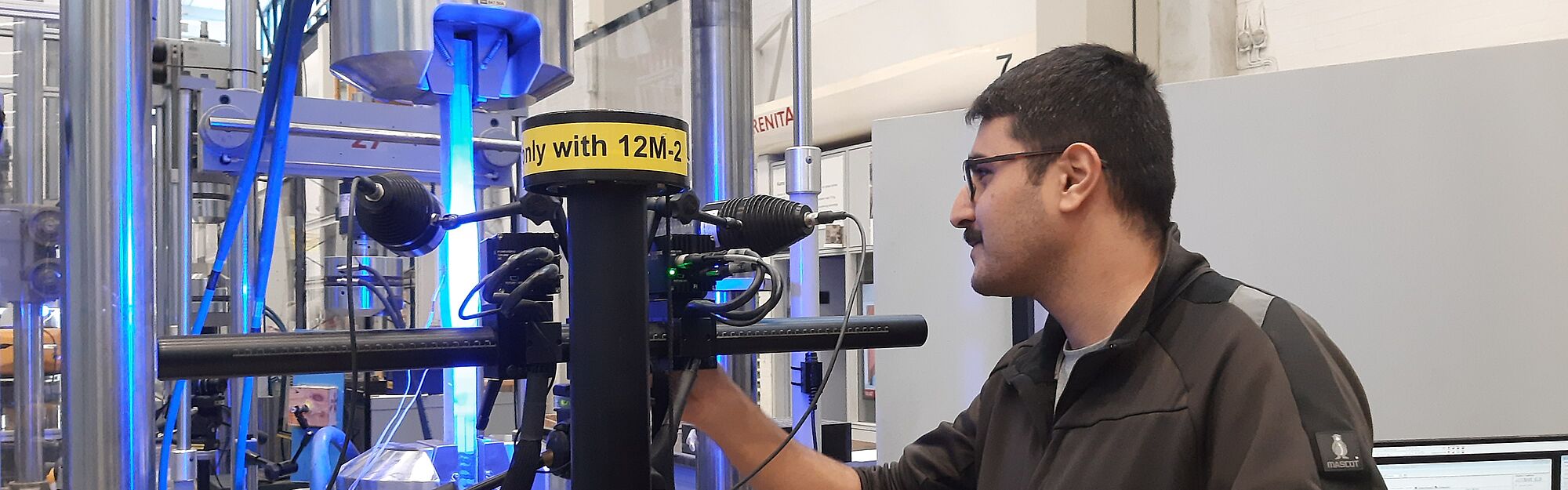
As research places greater demands on precision, measurement technology must keep pace. That is why DTU Structural Lab has invested in a new ZEISS ARAMIS Adjustable 24M system.
- Head of DTU Structural Lab Jesper Harrild Sørensen
Background
When researchers develop and test new materials, accurate measurements are essential. Even small deviations can affect test results and, ultimately, the knowledge that forms the foundation for future materials and structures. That is why DTU Structural Lab has been working with optical measurement systems for advanced mechanical testing for more than 20 years.
DTU Structural Lab, part of the Villum Centre for Advanced Structural and Material Testing at DTU, conducts research into how materials behave under load and how they can be developed to become stronger, lighter and more durable. To obtain reliable results, it is essential to document material deformation with a high degree of accuracy – even during complex loading scenarios.
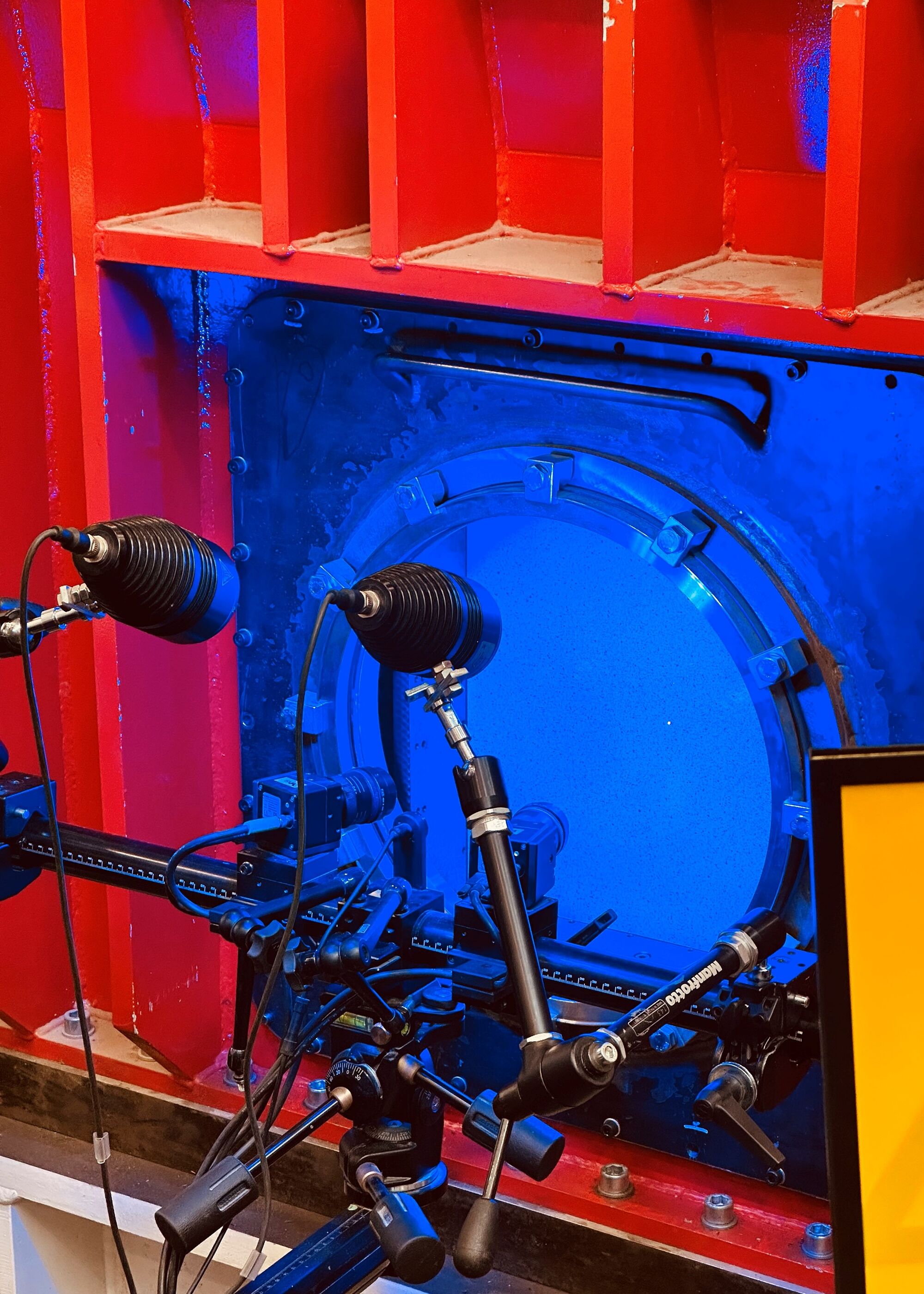
For this purpose, the researchers use ARAMIS, an optical 3D measuring system that uses high-resolution cameras to capture how a material deforms under load. By tracking thousands of measurement points across the material's surface, the system can detect even very small movements and deformations with high precision. This provides researchers with a detailed understanding of the material's behaviour throughout the entire test.
"We use ARAMIS because it allows us to obtain detailed information about the material's behaviour without knowing in advance where damage will occur. That gives us a much stronger basis for making decisions," says Jesper Harrild Sørensen, Head of DTU Structural Lab.
Application
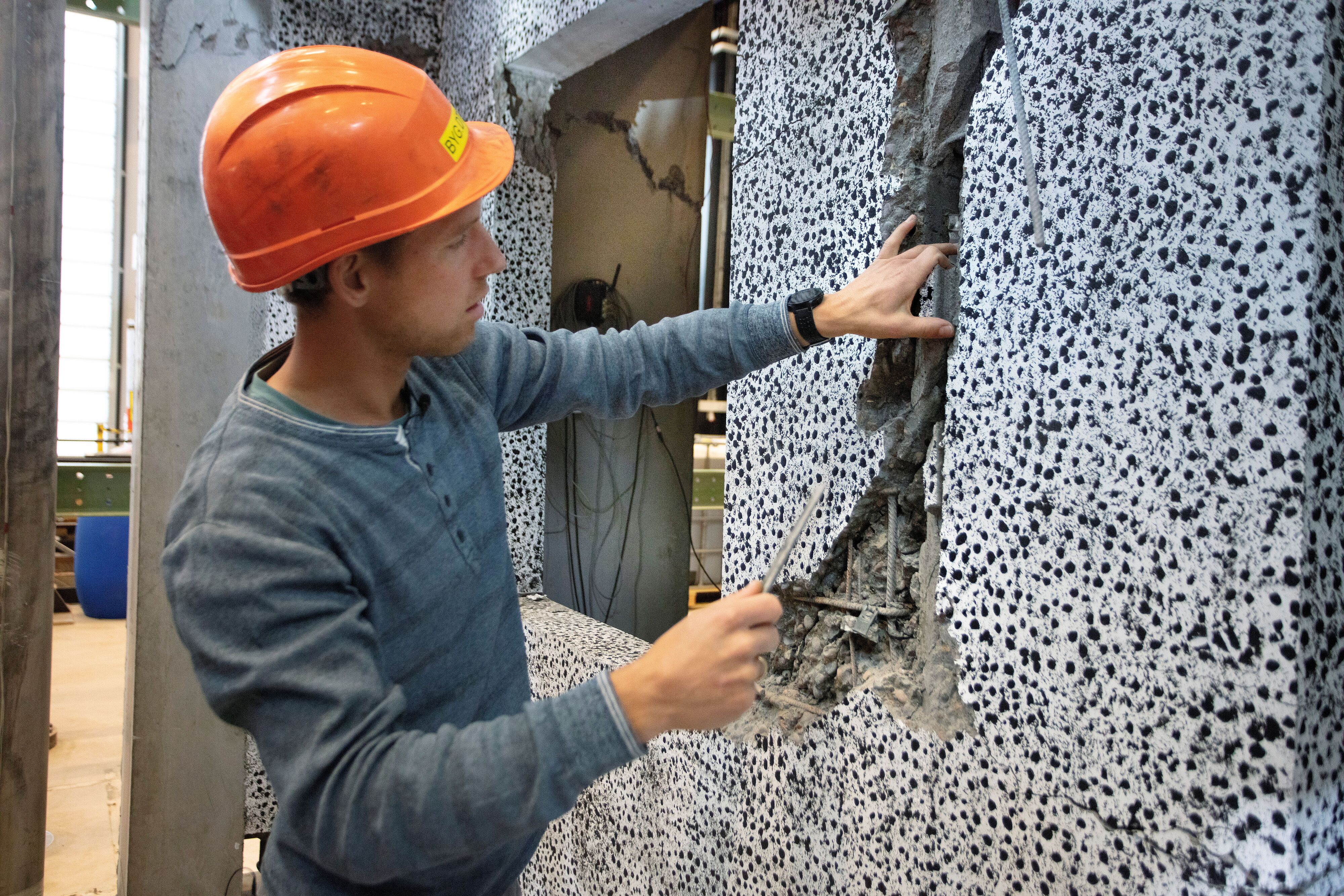
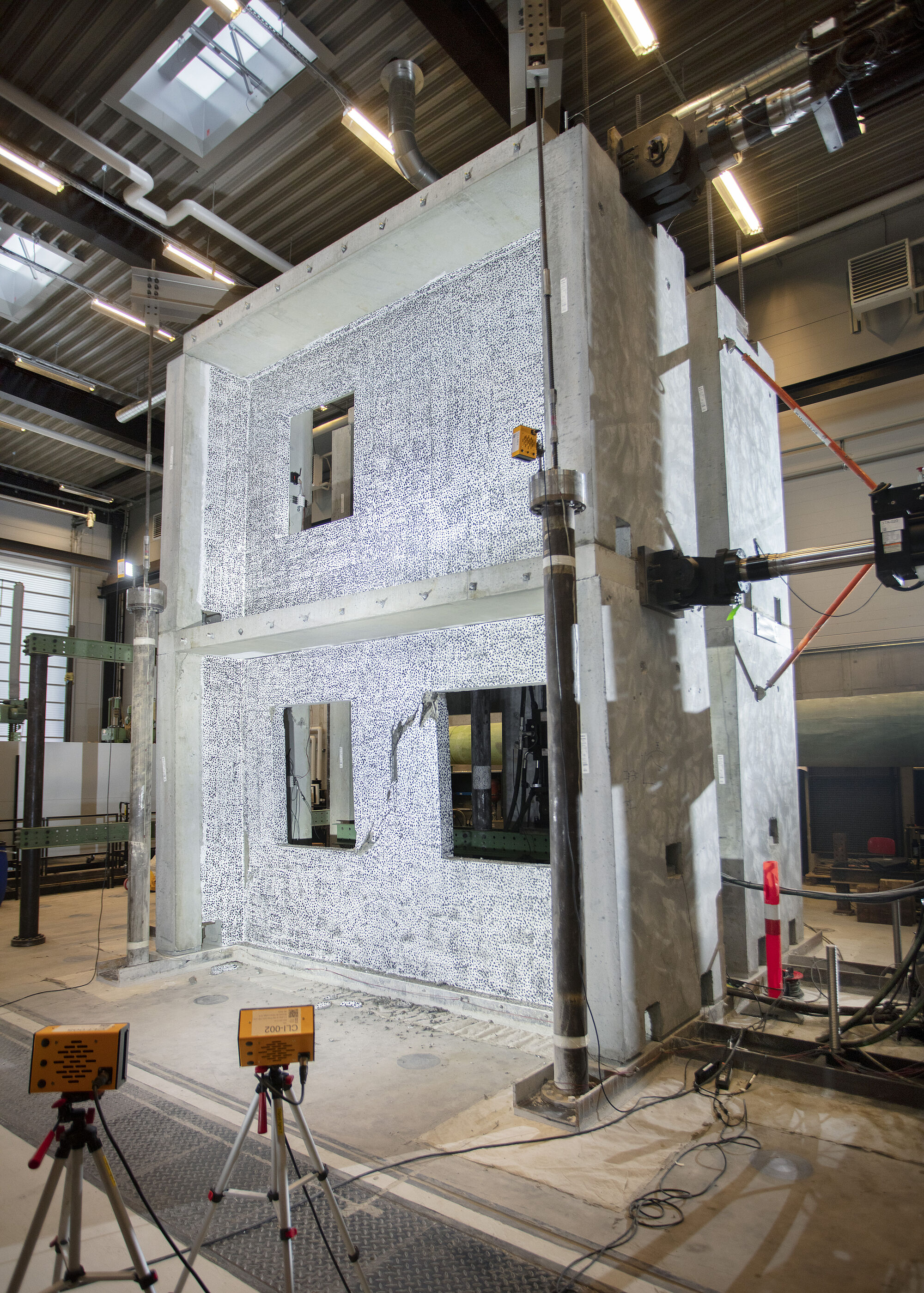
The technology is used, among other things, for fatigue testing of various materials, where changes in stiffness and the onset of damage can be documented continuously. At the same time, the system is used for analysing aircraft components, wind turbine blades, glass components, concrete structures and a wide range of other research projects where accurate deformation measurements are essential.
In one of DTU Structural Lab's research projects, the system was used to test composite materials subjected to loading in two directions simultaneously. This is known as biaxial loading – a method that more closely represents the loads materials experience in real-life structures.
Using the optical measurements, the applied load could be adjusted continuously based on the material's actual deformation rather than relying solely on the machine's built-in sensors. This enabled more accurate control of the tests and resulted in more realistic and reliable test results. At the same time, the method gave researchers a more detailed insight into the behaviour of the materials under load, strengthening the foundation for further research.
The next step
Recently, DTU Structural Lab expanded its capabilities with a new ZEISS ARAMIS Adjustable 24M system. The upgrade builds on more than two decades of experience with optical measurements and provides researchers with even better conditions for carrying out advanced mechanical tests.
The new system offers higher resolution, greater flexibility and improved measurement accuracy. At the same time, it enables more complex test setups and the collection of even more detailed data. As a result, the laboratory is now even better equipped to develop and test the composite materials of the future.
"As a testing facility, we want access to the latest technology and the most advanced equipment for non-contact measurements," says Jesper Harrild Sørensen, Head of DTU Structural Lab.
DTU already operates three additional ARAMIS systems as well as an ATOS 3D scanner used for 3D scanning. Since 2016, DTU has expanded its laboratory with a total of four ARAMIS systems, while other DTU departments also use the TRITOP photogrammetry system and various fully automated ScanBox solutions.
Today, the systems are used for both research and teaching and play an important role in DTU's work on development, documentation and knowledge dissemination.